
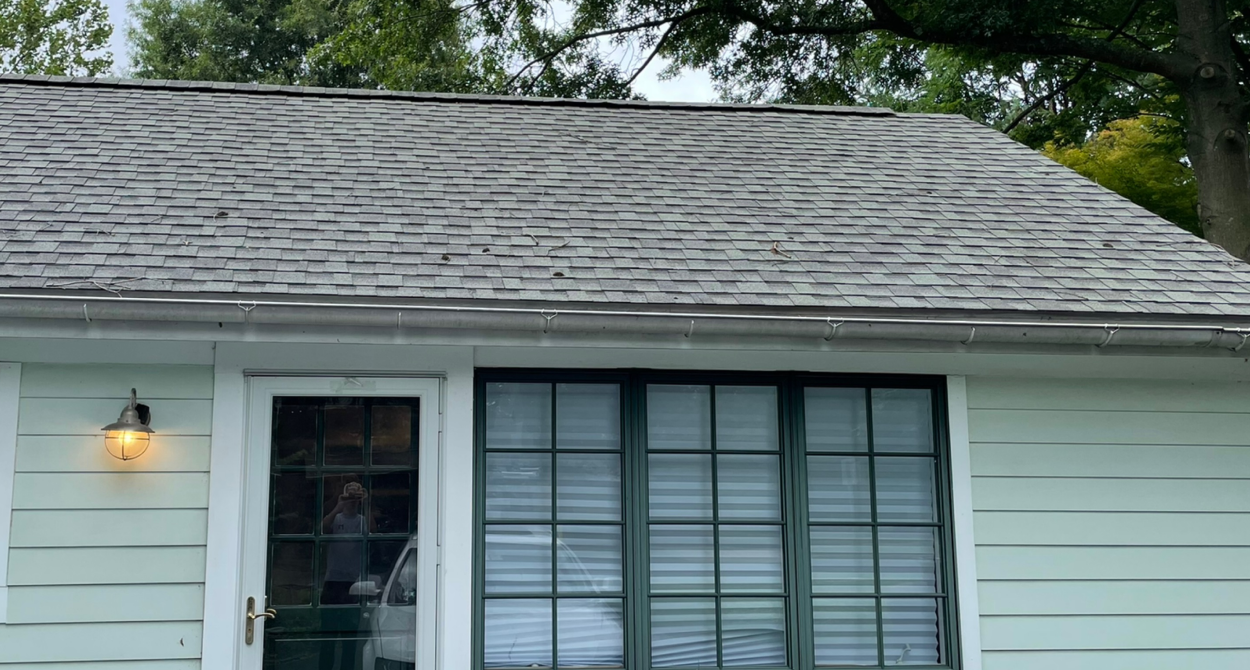
Windows are the most visible part of your home’s exterior, and they are also the most consistently neglected. Homeowners who keep meticulous lawns and pressure-wash their driveways every spring often have windows coated in a film of dust, oxidation, hard water residue, and pollen that has been building up for two or three years. It is not that they do not care. It is that windows are one of those things that accumulate gradually enough that the change is hard to notice until you see the difference a professional cleaning makes. And then it is impossible not to notice it again.
This post covers how often professional window cleaning is actually recommended, what a complete service visit includes, why the spray-and-wipe approach most homeowners use does not produce the same results, and what factors make professional cleaning more or less urgent for your specific home.
How Often Should Windows Be Professionally Cleaned?
The standard recommendation for most single-family homes in Southeast Pennsylvania is professional window cleaning twice per year, in spring and fall. Spring cleaning removes the pollen, winter grime, and the residue from road salt and sand that accumulates on lower windows and frames during the cold months. Fall cleaning removes the summer’s worth of dust, insect residue, and oxidation buildup before the home closes up for winter and natural light becomes more valuable.
Some homeowners and circumstances call for more or less frequent service:
- Homes near busy roads. Properties close to high-traffic roads accumulate road film, exhaust residue, and tire dust on exterior windows significantly faster than homes on quiet streets. Twice yearly cleaning is a minimum for these properties, and some homes near arterial roads benefit from three cleanings per year.
- Homes with hard water exposure. In areas with high mineral content in the water supply, sprinkler systems that hit windows can leave calcium and magnesium deposits on glass that become progressively harder to remove the longer they are left. If your sprinklers contact your windows regularly, more frequent cleaning prevents the mineral buildup from bonding deeply to the glass.
- Homes with mature trees nearby. Pollen, sap, and the residue from seed pods and leaf breakdown are stubborn contaminants that affect windows under or near tree canopy. Homes in wooded settings or near large deciduous trees benefit from spring cleaning specifically timed after the major pollen and seed-drop events.
- Homes preparing for sale. Windows are one of the most cost-effective improvements to make before listing. Professional window cleaning is a maintenance task that produces an immediately visible improvement in how a home presents from both the exterior and interior, and it typically costs less than any other exterior improvement that has a comparable effect on first impressions.
- Once a year is the practical minimum. For homeowners who do not want to schedule twice yearly service, once per year in spring is the maintenance floor. Windows cleaned annually stay ahead of the accumulation that leads to etching, oxidation bonding, and the kind of deep staining that requires more intensive treatment to address.
What Is Actually Included in a Professional Window Cleaning Visit
A professional window cleaning service from HydroPower is meaningfully different from what most homeowners picture when they think about window cleaning. Here is what a complete service visit includes:
- Interior and exterior glass. Both sides of every window are cleaned during a professional visit. Consumer cleaning typically addresses the exterior surface only, or the interior only, depending on accessibility. Professional cleaning addresses both.
- Screen removal, cleaning, and reinstallation. Every screen is removed from the window, cleaned of accumulated dust, insect debris, and oxidation, and carefully reinstalled. Screens that are left in place during cleaning collect the runoff from the glass and can re-deposit contaminants on the frame and lower glass after the visit.
- Frame and sill cleaning. Window frames and sills accumulate the same contamination as the glass itself, and cleaning the glass without addressing the frames leaves a noticeably incomplete result. A complete professional cleaning includes the frames and sills as part of each window.
- Hard water and mineral deposit treatment. Where mineral deposits or hard water staining are present, appropriate treatment is applied before washing to break down the bond between the deposit and the glass. Consumer glass cleaners do not contain the chemistry needed to address hard water staining, which is why DIY cleaning on affected windows often produces streaking even with careful technique.
- Streak-free finishing. Professional window cleaning uses a combination of water-fed pole technique, traditional squeegee technique, and professional-grade detailing to produce a streak-free result on every pane. The streaking that most homeowners associate with window cleaning as an unavoidable outcome is not an inherent property of clean windows. It is a symptom of using the wrong technique, the wrong tools, or the wrong chemistry.
Why DIY Window Cleaning Almost Always Falls Short
This is worth addressing directly, because most homeowners have tried cleaning their own windows at some point and know it is harder than it looks. Here is why the results consistently disappoint:
- Consumer glass cleaners are formulated for interior surfaces. The spray cleaners available at grocery stores and home improvement retailers are designed for interior glass: mirrors, interior window surfaces, and glass with relatively light contamination. They are not formulated to address the oxidation, atmospheric soiling, hard water deposits, and pollen residue that accumulate on exterior windows in outdoor conditions.
- Paper towels and cloth create streaks. The streak-free result that professional cleaning produces consistently comes from squeegee technique and professional-grade detailing cloths, not spray-and-wipe. Cellulose-based paper products and most household cloths leave microscopic lint and residue on glass surfaces that create the hazy, streaky appearance that most homeowners accept as the normal outcome of window cleaning. It is not.
- Exterior upper-story windows are genuinely inaccessible without professional equipment. Water-fed pole systems extend to 30 or more feet and deliver purified water to a brush head that cleans and rinses without leaving any residue. For two-story and taller homes, the upper-story exterior windows simply cannot be properly cleaned without equipment that homeowners do not have and cannot safely use from a ladder.
- Screens trap and re-deposit contamination. Most DIY window cleaning leaves screens in place, which means the screen residue redistributes onto the lower glass surface as the window dries. Removing, cleaning, and replacing screens is a necessary part of a complete window cleaning and one that is almost never done in a DIY context.
What Clean Windows Actually Do for Your Home
The most immediate effect of professional window cleaning is the improvement in natural light inside the home. Windows coated in a film of accumulated contamination reduce the amount and quality of light entering the space in ways that are genuinely measurable. Studies have shown that heavily soiled windows can reduce natural light transmission by 20 percent or more. The rooms in a home with professionally cleaned windows feel brighter and more open than the same rooms with neglected glass.
Clean windows also improve the exterior appearance of the home in ways that other maintenance tasks do not replicate. A house with clean, clear windows and a clean exterior has a finished quality that a house with grimy or hazy windows does not, regardless of how good the landscaping, the siding, or the driveway looks. Windows are a focal point of the facade, and their condition is one of the first things both neighbors and guests notice, even when they cannot articulate exactly why the home looks the way it does.
For homeowners who are considering listing their home for sale, professional window cleaning is consistently identified by real estate agents as one of the highest-return maintenance tasks relative to its cost. It is visible, immediate, and affects both exterior curb appeal and the quality of the first impression visitors form when they step inside.
Schedule Your Window Cleaning Visit
HydroPower provides professional residential window cleaning throughout Montgomery, Chester, Bucks, Delaware, Berks, and Philadelphia County. Window cleaning can be scheduled as a standalone service or combined with a house wash, gutter cleaning, or other exterior maintenance visit on the same day. Contact us for a free quote.