
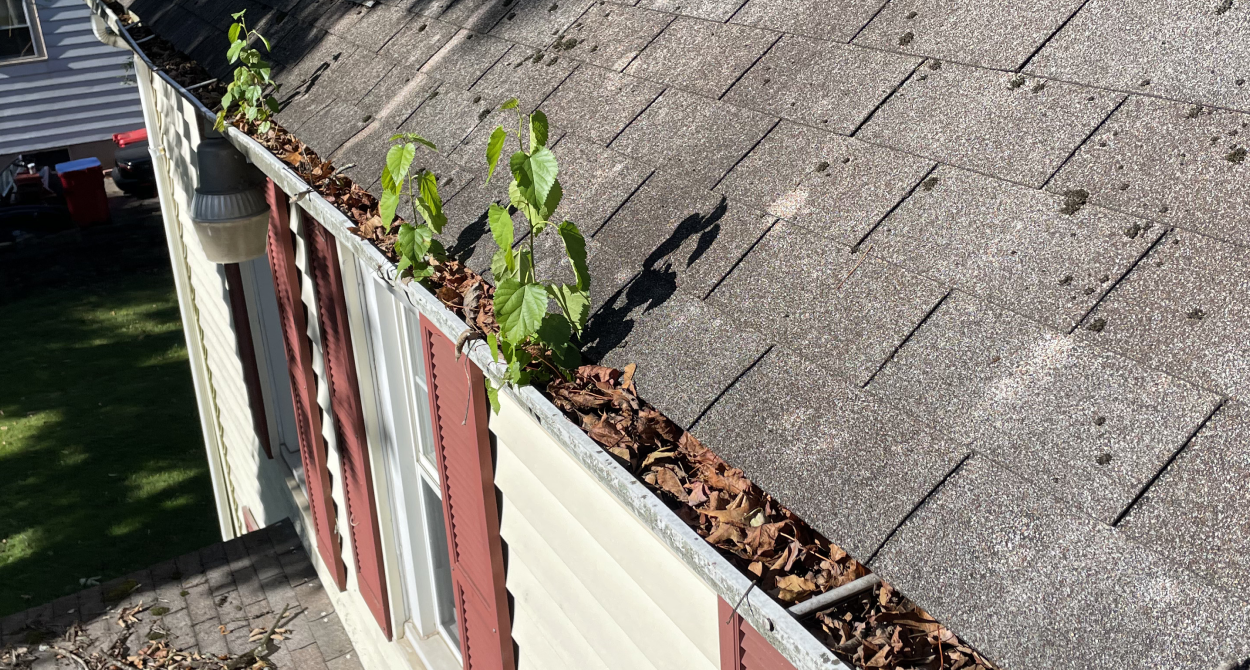
Of all the exterior maintenance tasks a homeowner faces, gutter cleaning is the easiest to put off. The gutters are up high, out of sight from the ground most of the time, and the consequences of neglecting them are not immediately visible the way a dirty driveway or algae-stained siding is. That invisibility is exactly what makes deferred gutter maintenance so expensive. The damage from clogged gutters happens slowly, inside walls and at the foundation, in places you cannot see until the repair bill arrives. By that point, what would have cost $150 to $300 to prevent has grown into a problem that costs many times that to fix.
This post walks through exactly what happens to your home when gutters go uncleaned for a season, two seasons, and beyond, so you can make an informed decision about where gutter cleaning fits in your maintenance priorities.
What Gutters Are Actually Designed to Do
Understanding why clogged gutters are damaging requires understanding what functioning gutters are designed to accomplish. Your gutter system exists to collect the significant volume of water that runs off your roof during rain events and direct it away from your home’s foundation, exterior walls, and landscaping through a controlled drainage path.
A properly functioning gutter system on an average two-story home handles hundreds of gallons of water during a moderate rain event. That volume of water, directed away from the foundation by functioning gutters and downspouts, is water that never touches your siding, never pools against your foundation, and never creates the saturated soil conditions that invite basement infiltration. When gutters are clogged and that system fails, all of that water has to go somewhere, and where it goes is directly toward your home.
What Happens in the First Season of Neglect
In the first season that gutters go uncleaned, the most immediate consequence is overflow. Gutters packed with leaves, seed pods, and compacted organic debris fill with water during rain events and overflow the edges, directing water down the exterior of the fascia board and the siding rather than through the downspouts.
At this stage the damage is beginning but may not yet be visible. The fascia board, which is the horizontal trim board behind the gutter, is absorbing the water that is overflowing against it. Most fascia boards are painted wood, and sustained moisture against painted wood begins a process of paint failure, wood softening, and eventual rot that progresses faster than most homeowners expect. What looks like a cosmetic paint issue on the fascia after one season of clogged gutters is often the beginning of structural wood damage that will eventually require board replacement.
Simultaneously, the water overflowing from clogged gutters is landing at the foundation perimeter rather than being channeled away from it. In Southeast Pennsylvania’s clay-heavy soils, which drain slowly compared to sandier substrates, this repeated pooling at the foundation line creates the sustained saturated soil conditions that drive water toward basement walls through hydrostatic pressure.
What Happens After Two or More Seasons
By the second season of consistently clogged gutters, the consequences begin to compound and become more expensive:
- Fascia rot. Fascia boards that have been repeatedly wetted by overflowing gutters begin to show active wood rot. Rotted fascia is a structural problem because the gutters themselves are anchored to the fascia, and gutters attached to rotted wood eventually pull away from the home entirely, creating a drainage failure that accelerates all downstream problems. Fascia board replacement is a meaningful expense, and it is entirely preventable with regular gutter cleaning.
- Soffit damage. Water that saturates a rotted fascia board works its way horizontally into the soffit, the horizontal surface under the eave overhang. Soffit damage begins as a cosmetic issue and progresses to rot and potential access points for insects and wildlife if left unaddressed. Soffit replacement compounds the cost of what started as a gutter cleaning issue.
- Foundation moisture infiltration. Sustained saturated soil at the foundation perimeter creates hydrostatic pressure against basement walls. In homes with poured concrete foundations, this typically manifests as efflorescence (white mineral deposits on the interior basement wall), followed by visible seepage during heavy rain events, and eventually by cracks if the hydrostatic pressure is sustained over multiple seasons. Foundation waterproofing and crack repair are among the most expensive home repairs a homeowner can face, with costs ranging from several thousand to tens of thousands of dollars depending on severity.
- Basement flooding. Homes with recurring basement water infiltration driven by foundation hydrostatic pressure often see their first visible flooding event in a particularly heavy rain season, typically several years into a pattern of clogged gutters directing water toward the foundation. By the time water is visible on the basement floor, the underlying moisture condition has usually been developing for years.
- Landscape erosion. Overflowing gutters dump concentrated volumes of water at specific points along the foundation perimeter, creating erosion channels in landscaping, washing out mulch beds, and eventually exposing root systems of foundation plantings. Replanting and regrading eroded landscape areas is an additional cost that most homeowners do not associate with gutter neglect but is directly caused by it.
The Pest and Wildlife Problem
Clogged gutters filled with decomposing leaves, standing water, and organic material create a habitat that is attractive to several categories of unwanted guests. Mosquitoes breed in standing water with remarkable efficiency: a half-inch of water in a clogged gutter section is sufficient to support mosquito breeding throughout warm weather months. A home with consistently clogged gutters is essentially running a mosquito nursery along the entire roofline.
Beyond mosquitoes, the moist, protected environment of a debris-packed gutter is attractive to carpenter ants, which prefer moist wood for nesting, and to birds that find compacted organic debris an ideal nesting material. Gutters with established bird nests are a particular problem because the nest physically blocks drainage, compounding the overflow issue, and nesting birds in gutters are protected by federal migratory bird regulations once eggs are present, which significantly limits what can be done until the nesting cycle is complete.
Squirrels and chipmunks also use debris-filled gutters as access routes to soffits and attic spaces. Gutters that are clean and functioning correctly offer no foothold or motivation for rodent exploration along the roofline.
Ice Dams: The Winter Consequence
In Southeast Pennsylvania’s winters, clogged gutters create an additional problem that warm-climate homeowners do not face: ice dams. When gutters are packed with debris going into winter, the debris holds moisture that freezes and creates a blockage in the gutter channel. Subsequent snowmelt from the roof surface cannot drain through the blocked gutter and refreezes at the eave, forming a dam of ice that extends back up under the shingles.
Ice dams force meltwater under shingle edges and into the roof deck, attic insulation, and ceiling below. The interior water damage from a significant ice dam can affect insulation, drywall, paint, and in severe cases the structural framing below the affected area. Ice dam damage is typically not covered under standard homeowners insurance if the underlying cause is identified as deferred maintenance, which gutters full of debris going into winter clearly is.
Fall gutter cleaning before the first freeze is the single most effective preventive measure against ice dam formation for homes in the mid-Atlantic region.
How Often Should Gutters Be Cleaned?
For most homes in Southeast Pennsylvania, twice per year is the right schedule: once in late fall after the majority of leaves have dropped, typically November, and once in spring after tree pollen and seed pods have finished their cycle, typically April or May. Homes with heavy tree coverage, particularly pine trees which shed needles year-round, may benefit from three cleanings per year.
The fall cleaning is the most critical of the two. Gutters that go into winter packed with debris are the gutters that create ice dams, overflow during winter thaw events, and arrive at spring in the worst possible condition. If you only have gutters cleaned once per year, late fall after leaf drop is the right timing.
Schedule Your Gutter Cleaning
HydroPower provides professional gutter cleaning throughout Montgomery, Chester, Bucks, Delaware, Berks, and Philadelphia County. Every gutter cleaning visit includes full debris removal from gutters and downspouts, a downspout flush to verify clear drainage, and a walkthrough inspection to note any visible gutter issues. Contact us for a free quote, and get your gutters scheduled before the next rain event or the first freeze.